Next-Generation Sequencing (NGS) in cancer is a high-throughput, molecular diagnostic method that simultaneously sequences millions of DNA/RNA fragments to identify genetic alterations (mutations, fusions, deletions) within tumors. It enables precise, personalized oncology by analyzing actionable mutations, guiding targeted therapy, and monitoring disease recurrence
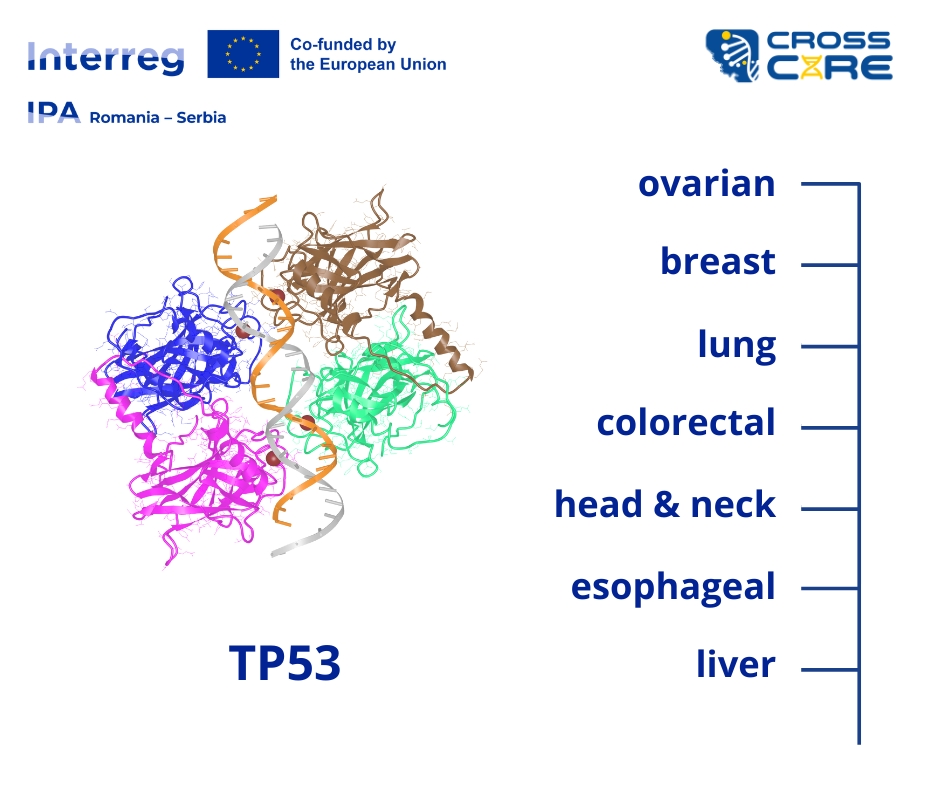
TP53– most frequently mutated gene pan-cancer (~40% overall). Extremely high in high-grade serous ovarian cancer (~95%); very common in head and neck squamous cell carcinoma (HNSCC), esophageal, lung squamous, and basal-like breast.
– Mutated in ~40% of all cancers.
– Found in almost every solid tumor type (ovarian, breast, lung, colorectal, head & neck, esophageal, liver, etc.).
– Acts as a universal genomic guardian→ loss leads to genomic instability.
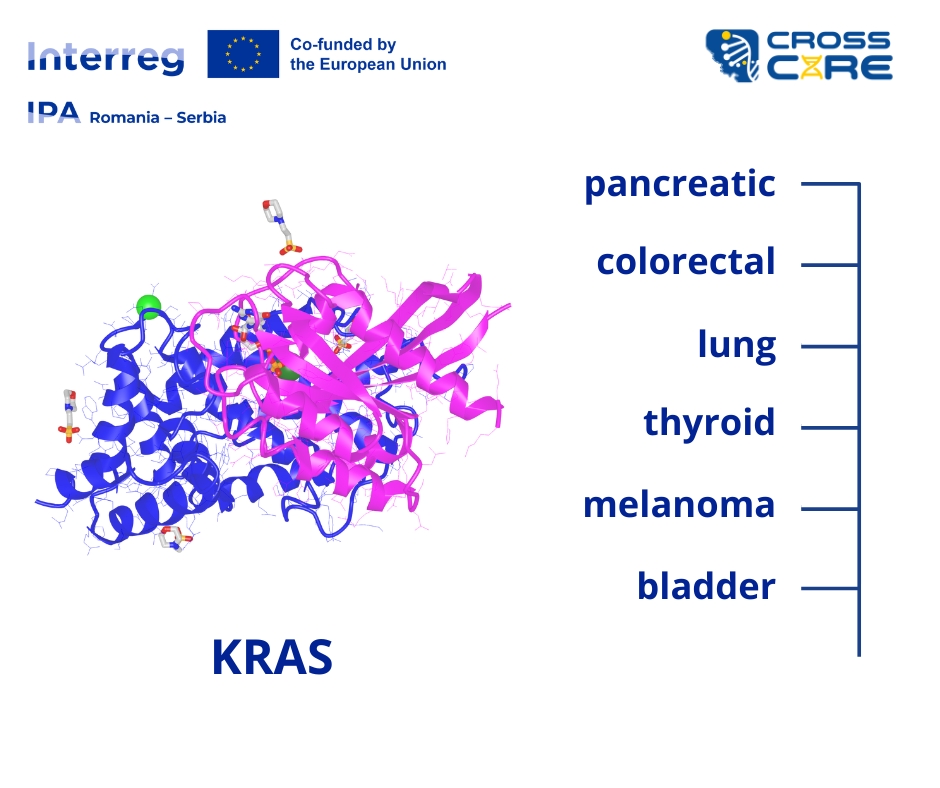
KRAS– dominant in pancreatic ductal adenocarcinoma (>90%); common in colorectal (~35–45%) and lung adenocarcinoma (~25–35% in Western cohorts). Ras pathway mutated in ~19% of all cancers.
– RAS mutations = constitutive activation of MAPK pathway.
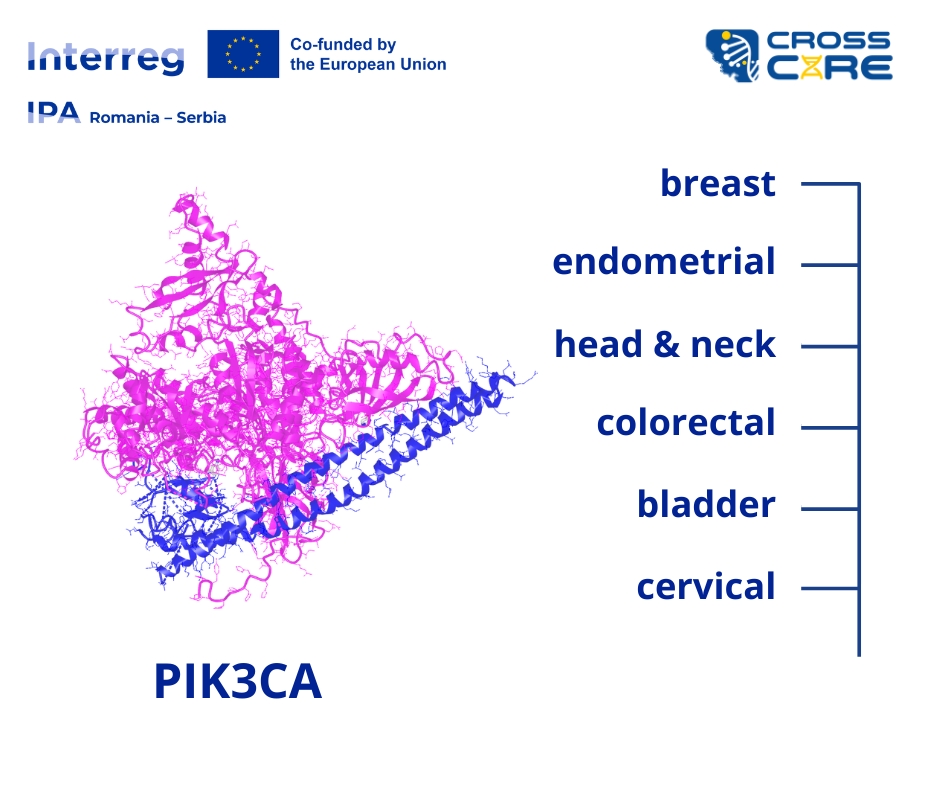
PIK3CA– frequent in breast (esp. HR+ luminal A/B ≈45%/29%) and endometrioid endometrial cancer (~40–70%); also present in head and neck squamous cell carcinoma (HNSCC) and colorectal cancer (CRC).
– Altered inbreast, endometrial, head & neck, colorectal, bladder, cervical
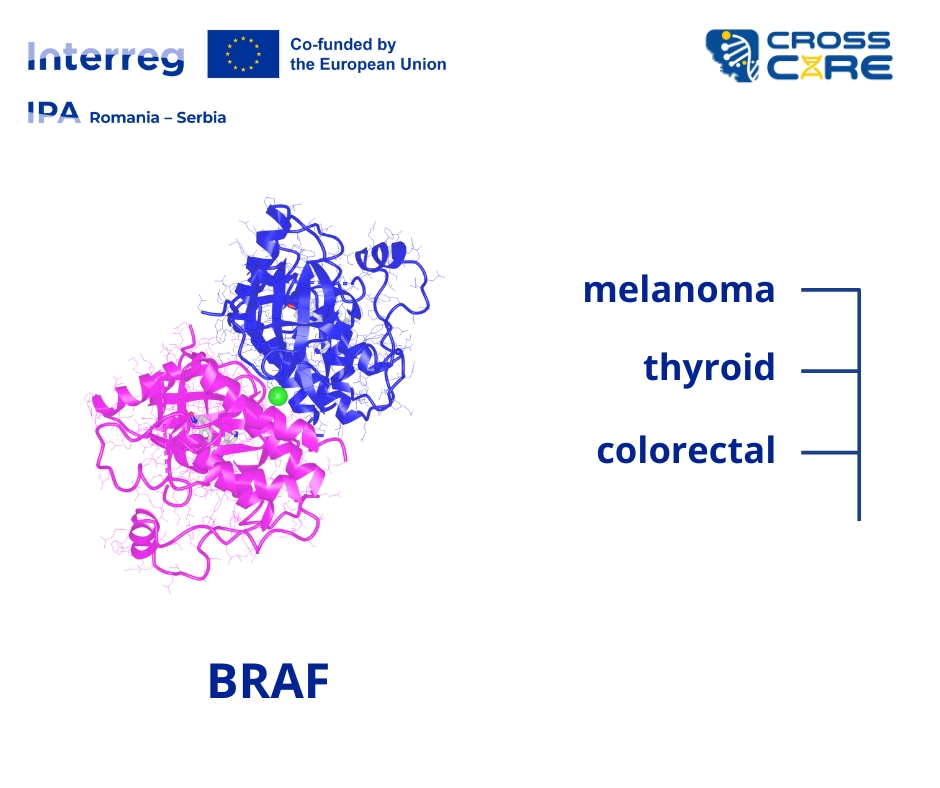
– Most famous inmelanoma, thyroid, colorectal, but appears in others at lower frequency.
– Part of the RAS–RAF–MAPK pathway.
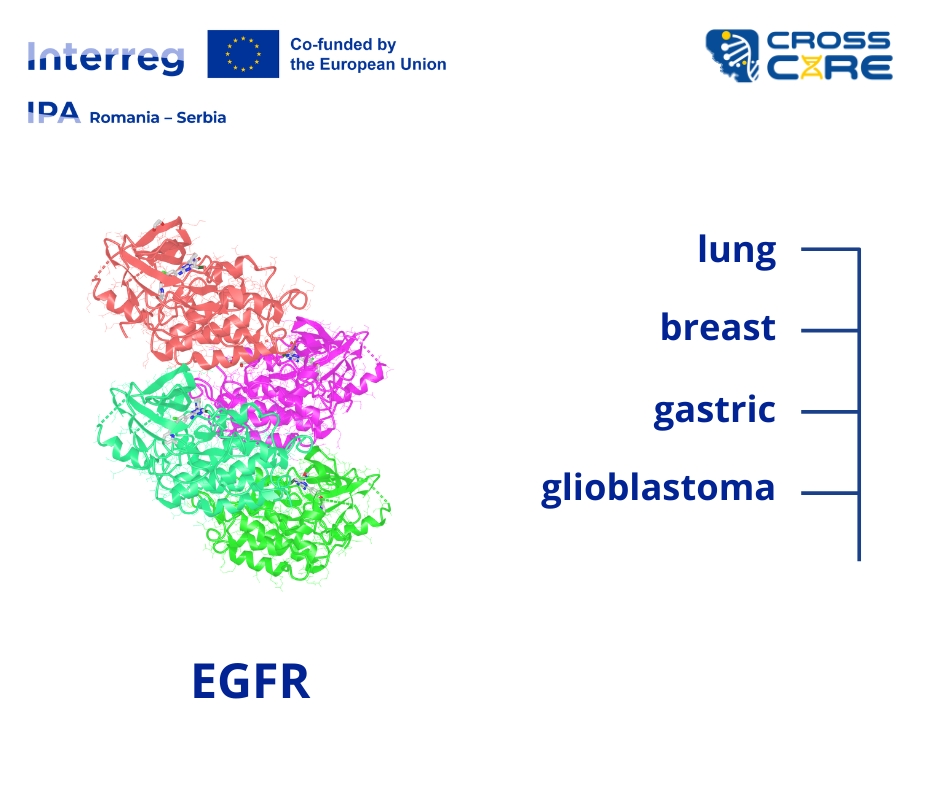
EGFR– lung adenocarcinoma: ≈10–15% in European/North American populations, up to ~50% in East Asians; enriched in never-smokers and females.
– Mutated or amplified inlung, breast, gastric, glioblastoma.
– Targetable with monoclonal antibodies and TKIs.
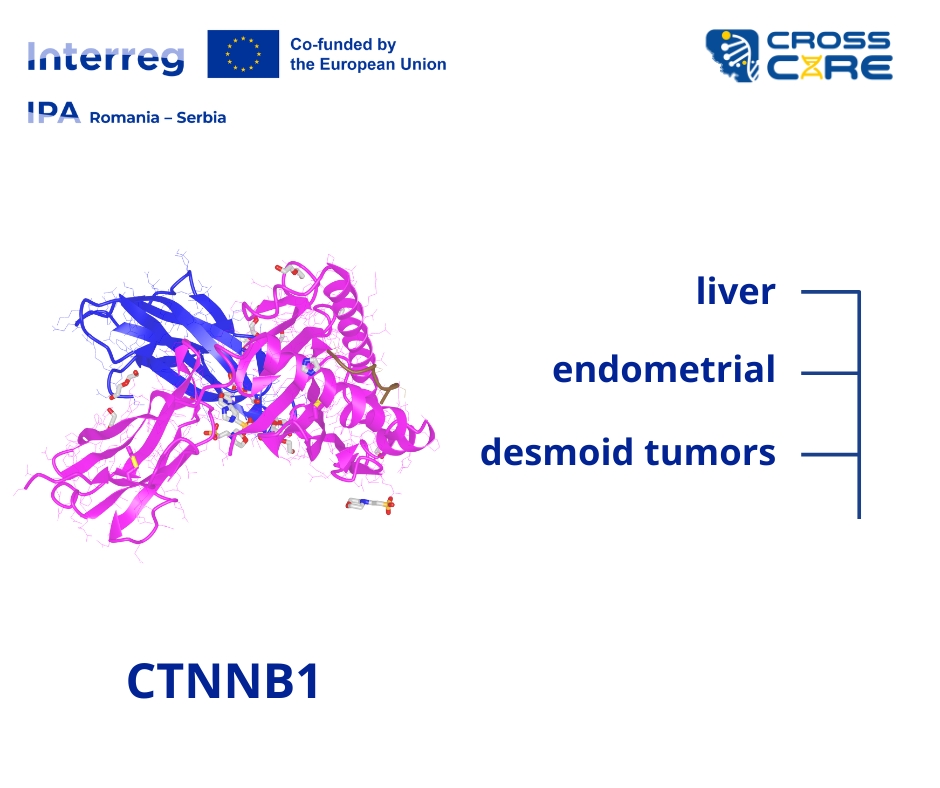
CTNNB1 (β-catenin)– hepatocellular carcinoma (~25–30%); also enriched in endometrioid endometrial cancers
– Common in liver, endometrial, desmoid tumors, present in others.
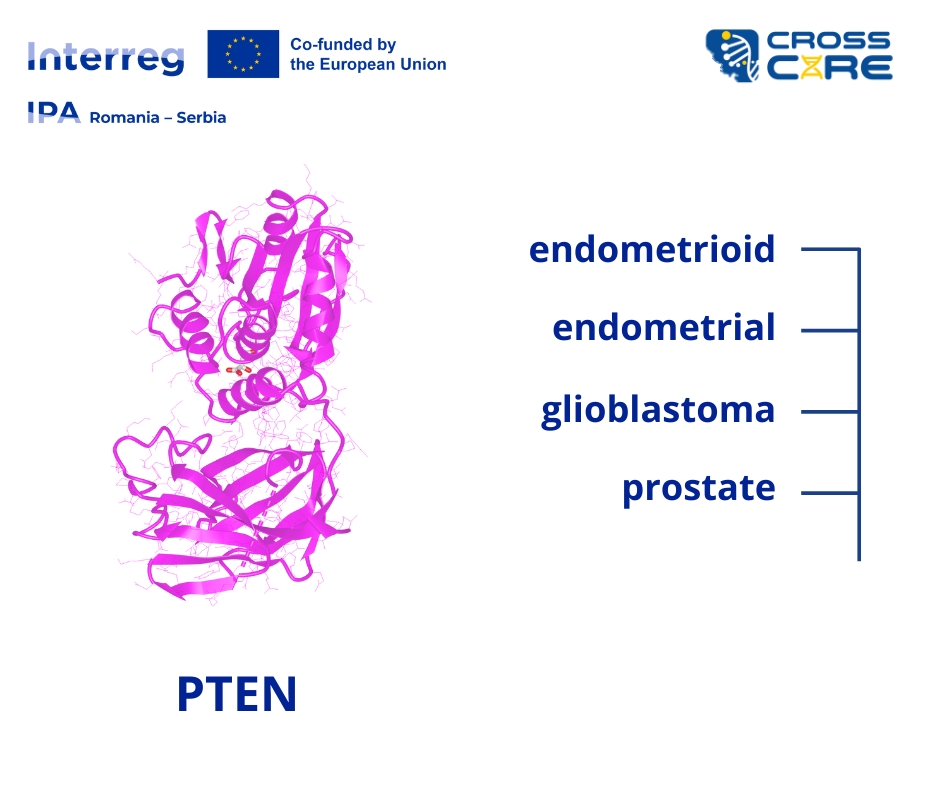
PTEN – common tumor suppressor loss in endometrioid endometrial cancer (~55–80% altered) and present in a substantial subset of glioblastoma; also altered in prostate cancer.
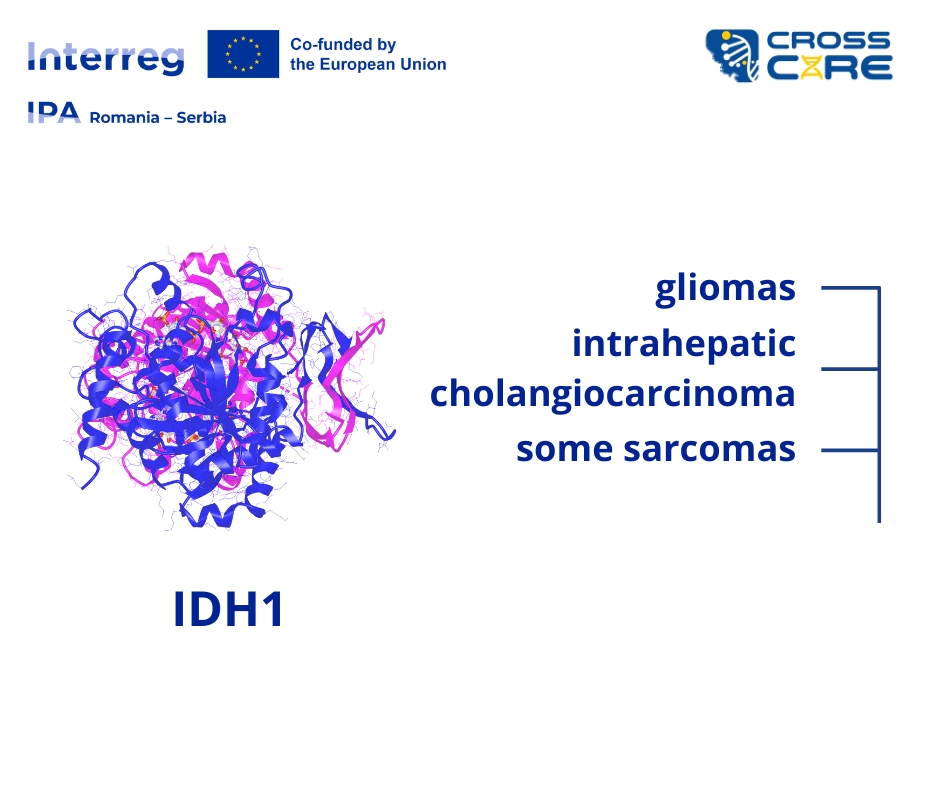
IDH1– hallmark of lower-grade glioma (LGG) and secondary glioblastoma multiforme (GBM) (~70–80% of LGG; ~10% of GBM overall).
– IDH1/2 not pan-cancer at high frequency, but found in gliomas, intrahepatic cholangiocarcinoma, some sarcomas.
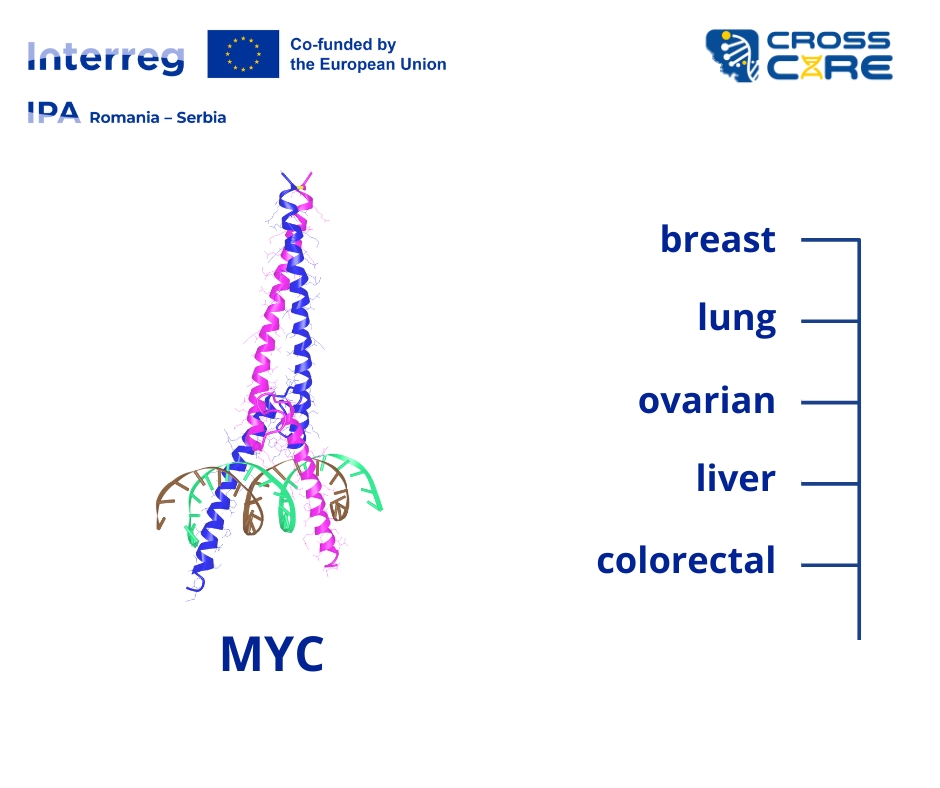
MYC (amplification)
– Common driver in breast, lung, ovarian, liver, colorectal.